Poverty and gaps in healthcare make diabetes care a struggle for people living in low-income urban communities
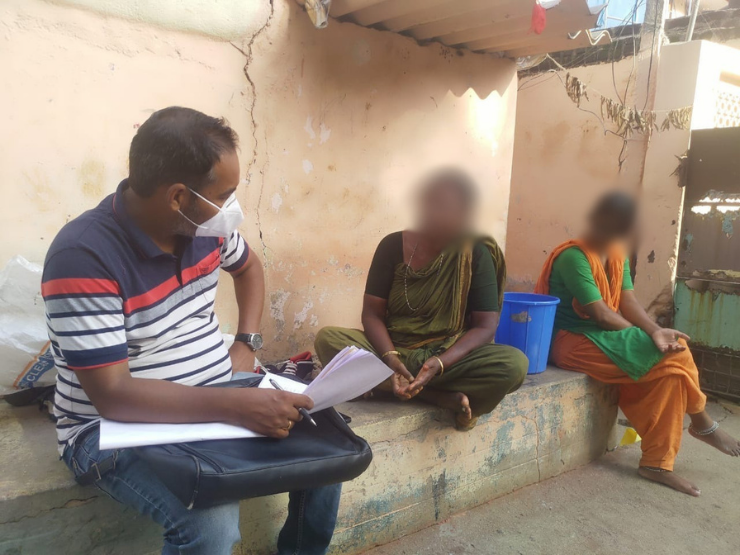
People living with type 2 diabetes in low-income communities often delay, adjust, or go without the care needed to manage the disease due to limited resources and public healthcare support.
Type 2 diabetes mellitus is a grave public health concern in India, known to be the ‘diabetes capital’ of the world. As a lifelong chronic condition, diabetes requires continuous care, including regular exercise, dietary adjustments, medication, glucose monitoring, and clinical follow-up. For people living in urban poverty, continuity of care is interrupted for various reasons, which constrains their ability to manage the disease.
Diabetes is a lifelong condition that requires continuous care, including regular exercise, dietary adjustments, medication, glucose monitoring, and clinical follow-up.
To understand how people living in low-income urban settlements experience and manage type 2 diabetes in daily life, we conducted ethnographic in-depth interviews with 35 individuals living with the disease in two areas of Hyderabad, as well as their family caregivers and community leaders. In addition, we interviewed healthcare professionals, including four medical officers, two Non-Communicable Disease coordinators, and two Auxiliary Nurse Midwives at the associated Urban Primary Health Centres (UPHCs) Madannapet and UPHC Gaddiannaram. Focus group discussions were also conducted with Accredited Social Health Activists (ASHAs) working in these urban settlements.
These interviews revealed that access to affordable and continuous diabetes care is restricted by both household poverty and gaps in public health services.
A 51-year-old male participant described the financial struggle, “Some days I have to choose between buying my expensive medicines and managing family expenses.” Public healthcare services were not always reliable due to disruptions such as medicine shortages or unavailable diagnostic tests. A 58-year-old female participant explained, “For a few months they give tablets at the health centre, but a couple of times they say the medicines are not there. I can’t buy from outside stores, as I don’t have money and no one supports me.” Such experiences show how gaps in public healthcare place additional financial burdens on low-income households.
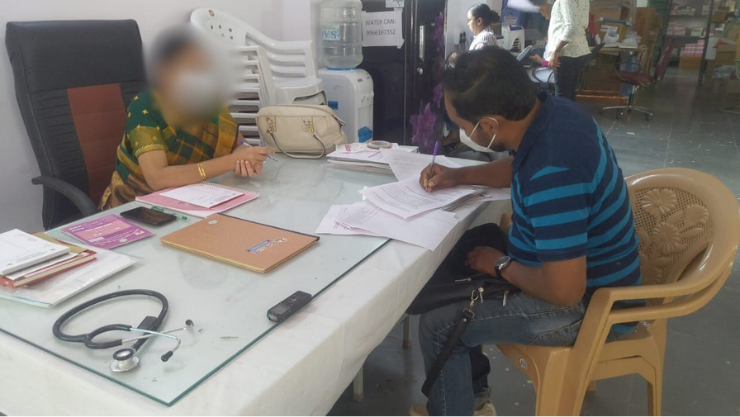
A majority of participants tried to maintain continuity of diabetes care by moving between a combination of public health facilities, private clinics, local pharmacies, ASHAs, and support from family and community networks. Their choices were shaped by the cost, accessibility, quality, and reliability of healthcare services. Fragmented healthcare services also made continuous diabetes management difficult. A 71-year-old participant emphasised this, explaining, “I have to visit a doctor one day and another day for diet counselling.”
Many participants tried to maintain continuity of diabetes care by moving between public health facilities, private clinics, local pharmacies, ASHAs, and sought support from family and community networks.
Administrative barriers, overcrowded facilities, and rushed consultations further affected regular follow-up and communication with healthcare providers. A 59-year-old woman shared, “Whenever I ask for clarification, the staff says that a lot of other patients are also waiting.” Although ASHAs helped patients access information, obtain medicines, and navigate healthcare services, their support alone could not overcome the wider gaps in the public healthcare system. The study describes this as ‘rationed care’, where poverty and healthcare gaps force people to delay or skip treatment, rather than a lack of awareness or motivation.
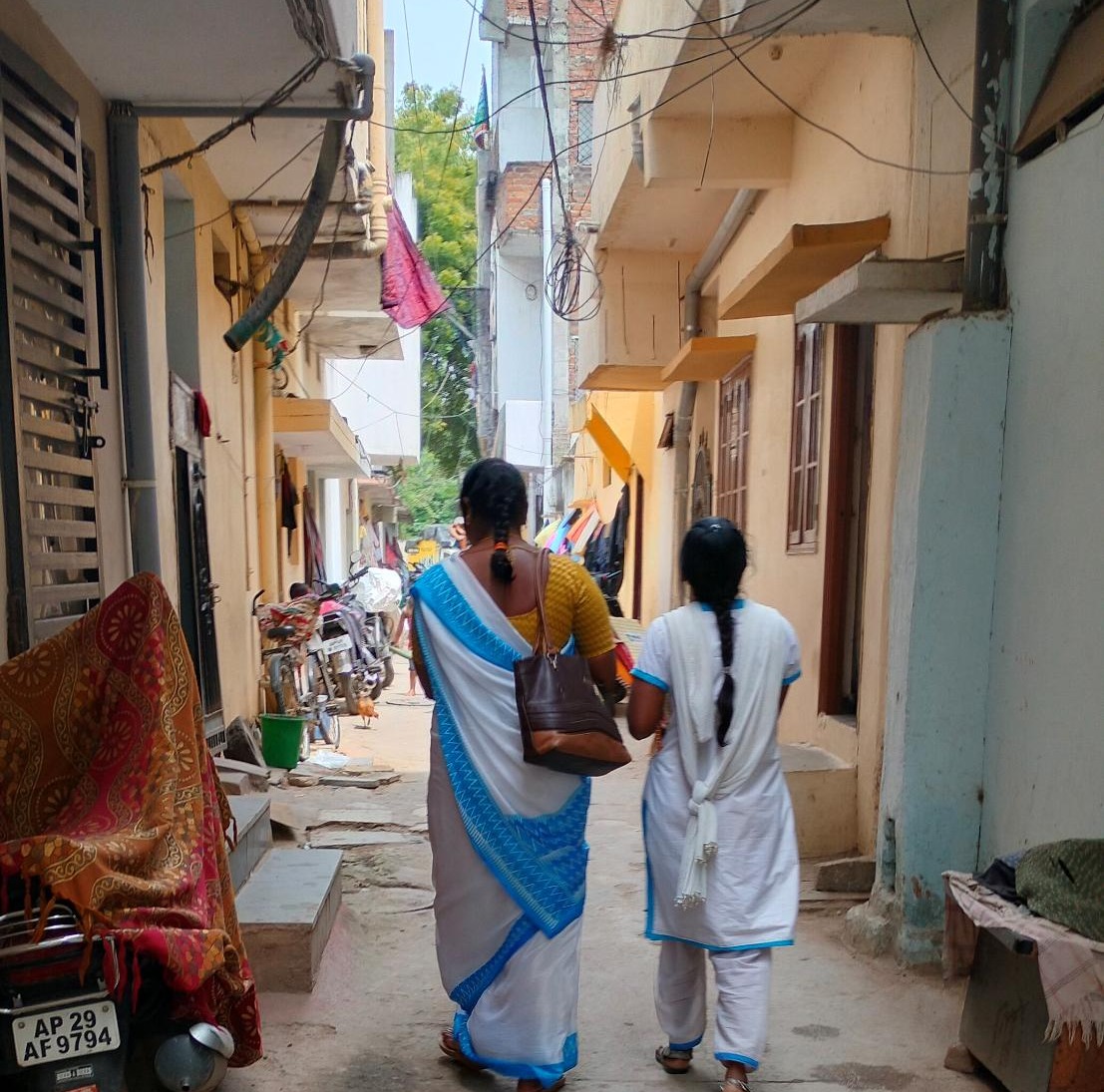
Beyond poverty and healthcare barriers, the study also found that cultural beliefs and social practices shaped how people understood and managed diabetes. Most of the participants often associated diabetes with stress, heredity, divine will, and changes in their bodily condition. A 56-year-old woman explained, “When I feel normal, I do not think about it every day.” Her experience illustrates how the absence of symptoms could be interpreted as a sign that diabetes was under control, even when regular monitoring and treatment remained necessary.
Irregular treatment is often a response to poverty and inadequate healthcare services, rather than simply unhealthy lifestyles, poor adherence, or a lack of motivation.
These experiences show that missed medication, delayed check-ups, and irregular treatment are often responses to poverty and inadequate healthcare services, rather than simply unhealthy lifestyles, poor adherence, or a lack of motivation. Continuity of diabetes care should not depend on a person’s ability to compensate for failures in the healthcare system. True equity requires moving beyond lifestyle lecturing to deliver structural interventions: reliable access to medicines and diagnostic testing, continuous clinical follow-up, robust support for ASHAs, and a rights-based healthcare system that is responsive to people’s everyday social and economic realities.
Sudhir Raj Thout is currently working as Consultant-Medical Anthropologist at LV Prasad Eye Institute (LVPEI) Hyderabad. He is a doctoral research scholar at Indian Institute of Technology, Hyderabad (IITH), under the supervision of Dr. Aalok Khandekar, Associate Professor of Anthropology/ Sociology and Head of the Department of Liberal Arts, IITH.