Structural steel for resilient and sustainable infrastructure
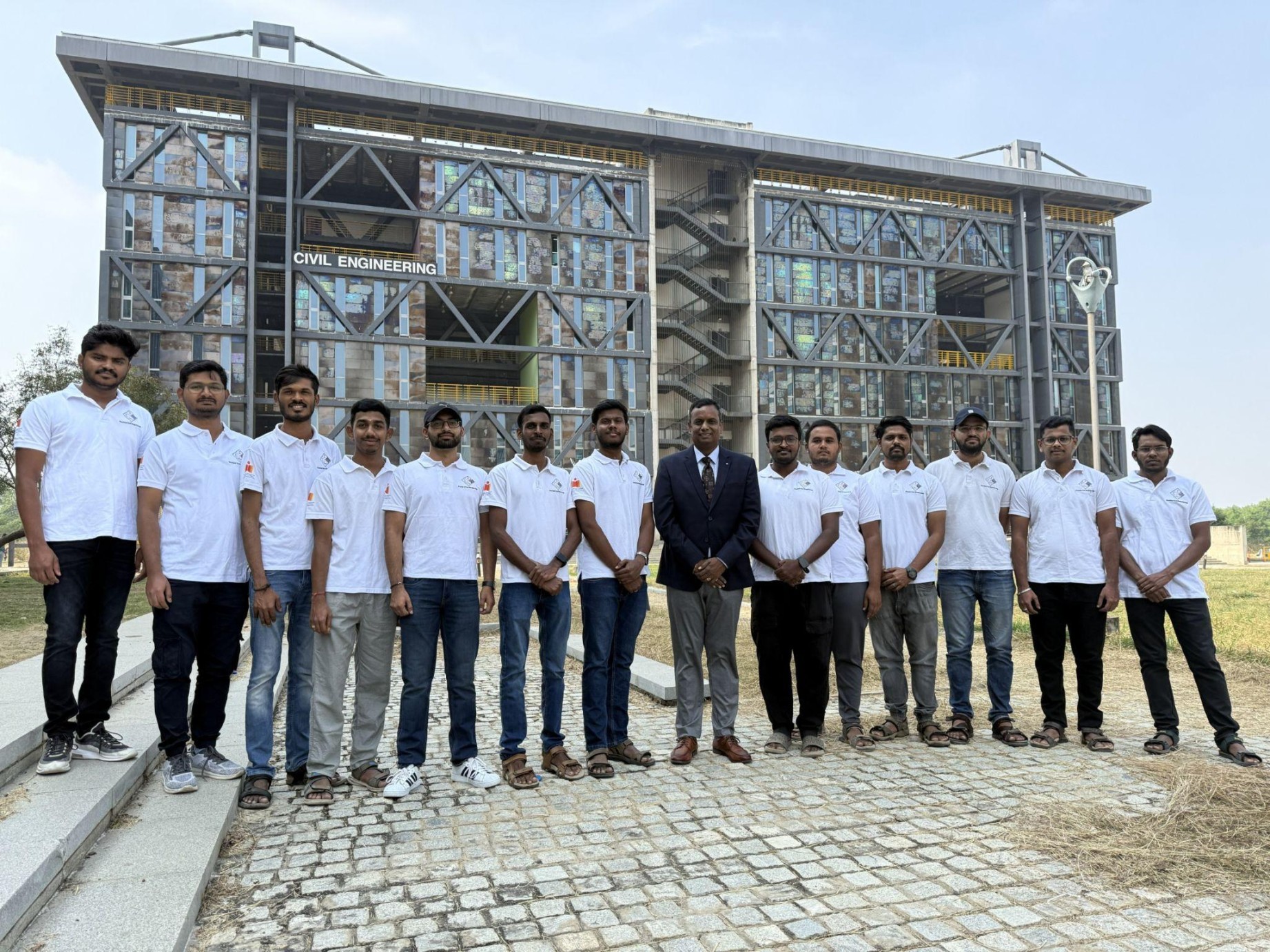
Rapidly urbanising areas in India are defined by skylines dotted with high-rise buildings in various stages of construction, promising several floors of housing or office space. This vertical expansion is driven by the need to accommodate large populations concentrated in our cities. However, these buildings are exposed to harsh environmental conditions and forces of nature, from earthquakes to cyclonic winds in coastal areas.
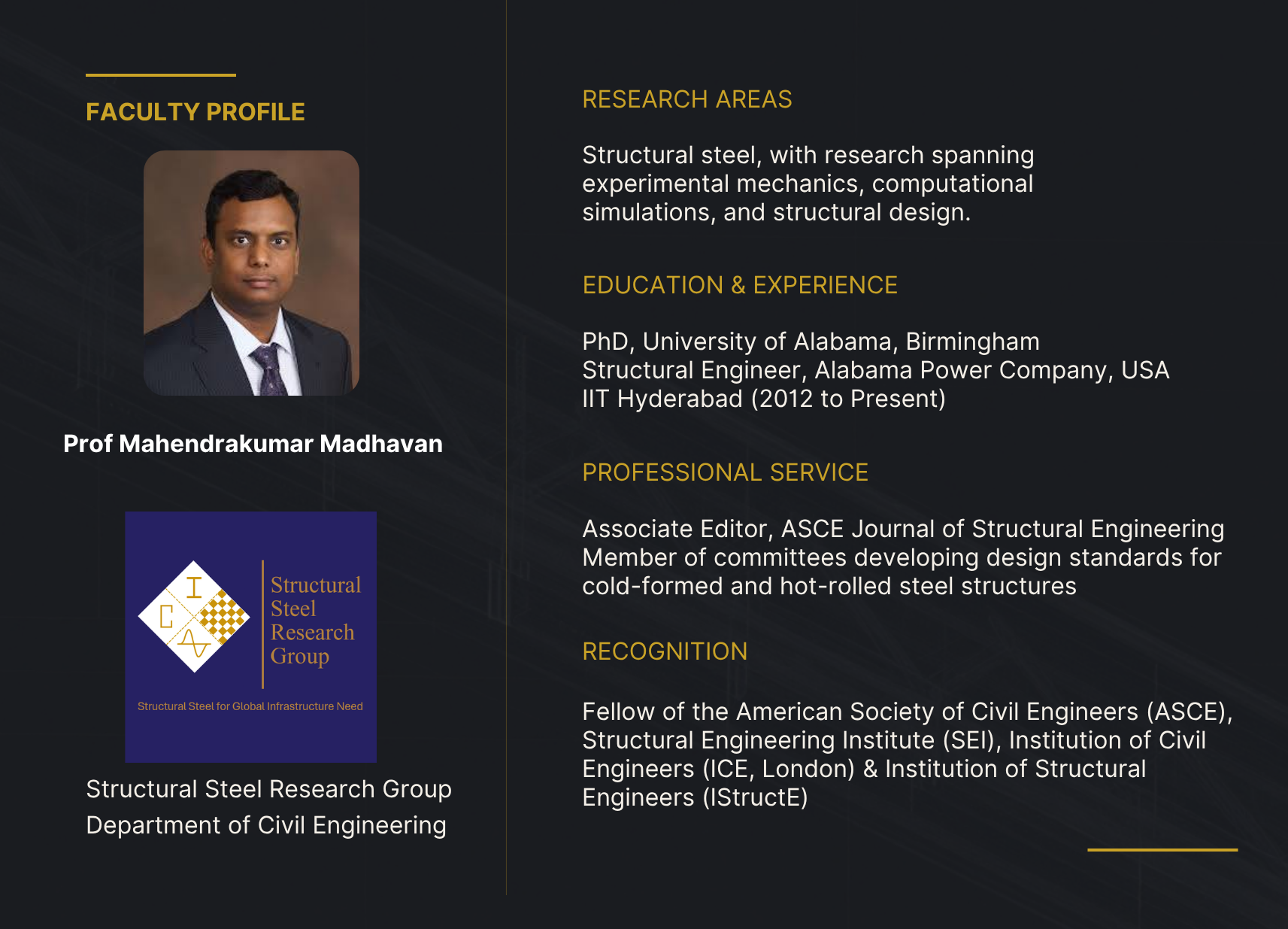
“The research in our lab focuses on seismic and cyclone-resistant affordable housing,” says Prof. Mahendrakumar Madhavan, who leads the Structural Steel Research Group at IIT Hyderabad.
“Our group’s overarching mission is ‘Structural steel for global infrastructure need’,” says Prof. Mahendrakumar Madhavan, who leads the Structural Steel Research Group (SSRG) at the Department of Civil Engineering at the Indian Institute of Technology, Hyderabad. “We conduct research at the intersection of experimental mechanics and computer simulations, with a strong focus on developing practical design guidelines for the Indian and global construction sector.”
Strength and sustainability
One of the focuses of the research group is cold-formed steel (CFS), a structural section produced by folding or rolling thin steel sheets into a desired shape. Cold-formed steel structures are 1-3 mm in thickness, show high strength-to-weight ratio, ductility and are resistant to corrosion because of galvanisation. These properties make them suitable for roof, wall, and flooring systems of buildings in seismically active zones and cyclone-prone coastal regions.
The structural components made using cold-formed steel can be easily assembled and dismantled for reuse and recycling. “The beauty of such construction is that everything is made at the workshop, brought to the site, and bolted together. One can remove the nuts and bolts and reuse the components without any loss to their structural properties,” says Prof. Madhavan. “It reduces material waste while maintaining structural integrity across the building’s life cycle,” which contributes to several key United Nations Sustainable Development Goals.
“The beauty of construction [using cold-formed steel] is that everything is made at the workshop, brought to the site and bolted together.”
However, codes and regulations for using cold-formed steel in construction are not well-defined in India, says Prof. Madhavan. “Current codes treat different types of CFS components under the same provisions, even though they vary significantly in their structural behaviour.” Variables such as the shape of a section, the kind of sheathing material attached to it, types of connections, and the spacing between them, interact to shape the strength and loading capacity of these structures. It is also important to understand how geometric imperfections introduced during manufacturing and material imperfections influence their load-bearing performance.
Every test tells a story of strength and behaviour
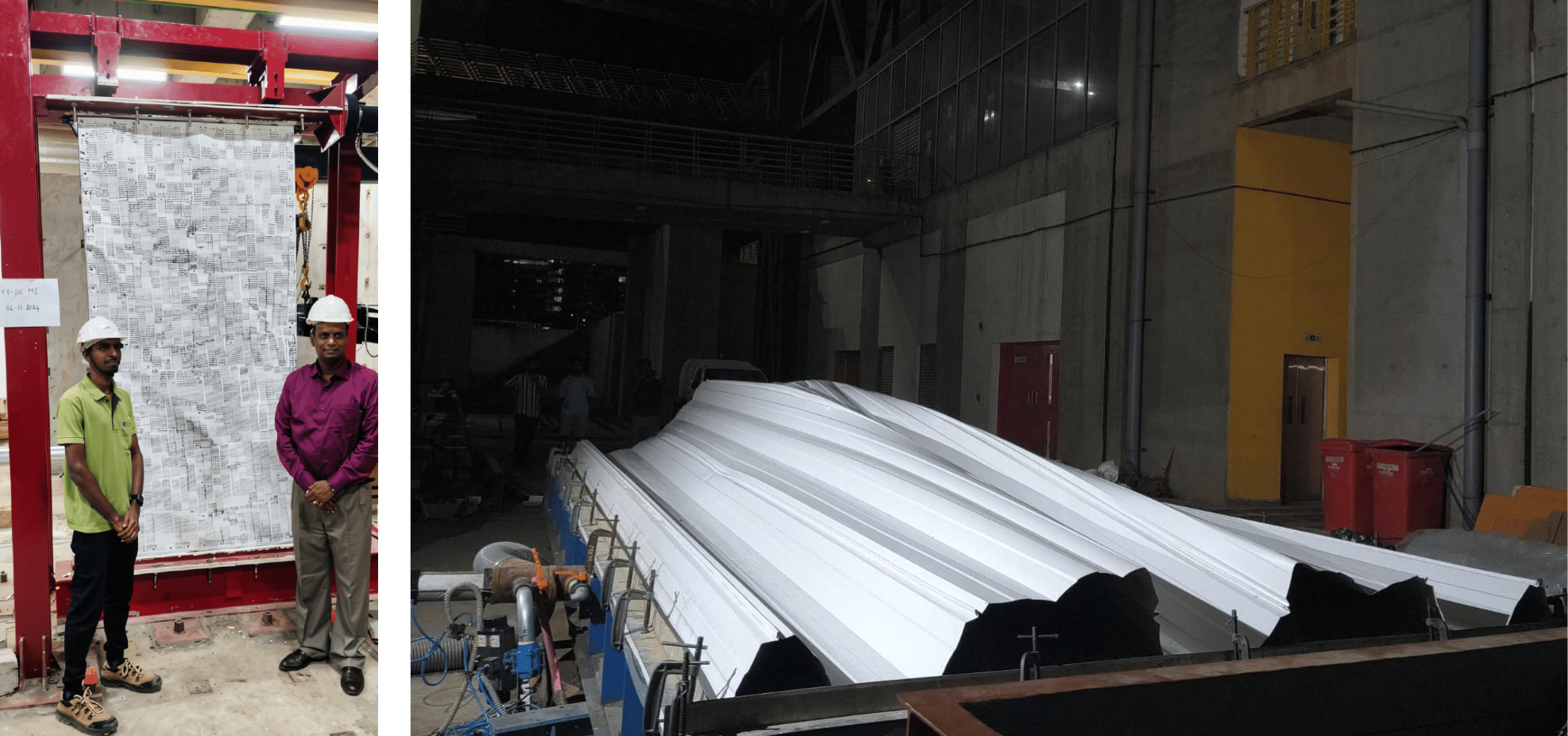
The group addresses this gap by performing extensive testing of cold-formed steel structures to understand system behaviour. “In our lab, we test various elements of a structure experimentally and study the different kinds of failure they experience,” he explains. The group performs extensive lab-based experiments to test the mechanical properties of structural elements related to bending, durability, bearing, and compression behaviour.
The team employs high-resolution digital image correlation cameras to capture deformation and strain in specimens in response to stress. They complement experimental measurements with simulations to study the structural behaviour under different kinds of loads. They use X-ray diffraction methods and machine learning models to measure and predict residual stress (internal stress that remains within a material during manufacturing) that can significantly influence structural performance. “All experimental programs are supported by finite element simulations to extend findings across a wider range of parameters than physical testing alone can cover,” adds Prof. Madhavan.
The group performs extensive lab-based experiments to test the mechanical properties of structural elements related to bending, durability, bearing, and compression behaviour.
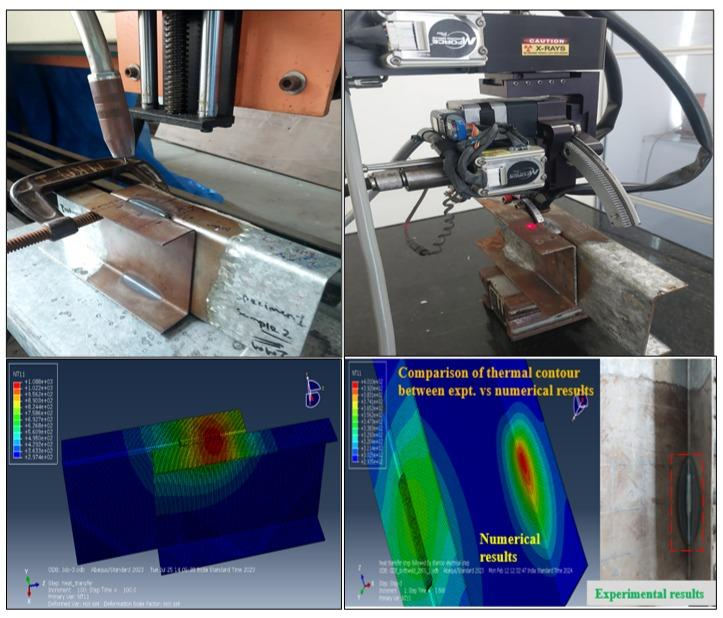
The research team studies how structural connections behave when exposed to extreme heat, which is an important aspect of design in multi-storied buildings. “We have quantified the fire rating for structural connections by developing a furnace to carry out tests at temperatures reaching up to 1200°C,” says Prof. Madhavan. They also study how roof systems respond to high wind loading, which is particularly relevant for areas that are frequently exposed to cyclones. “To test the effect of wind, we have developed a pressure-box testing facility, which is one of the largest of its kind in India.”
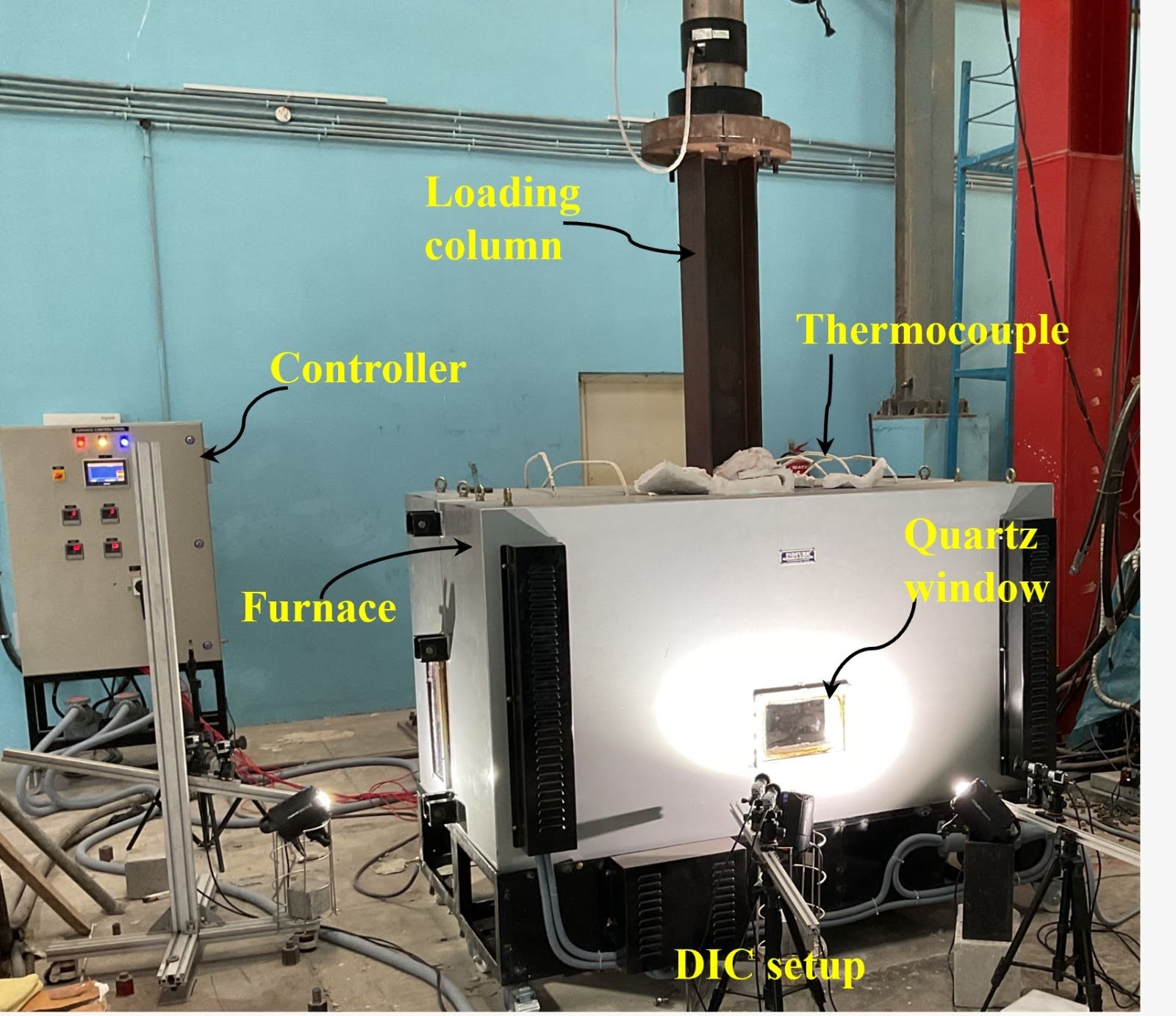
Other areas of research by the group include affordable housing using light gauge steel structures, condition assessment and strengthening of steel bridges, and exploring materials such as carbon fiber-based polymers to reinforce steel structures.
From the lab to the real world
Research from the group has made significant contributions to the development of design standards and codal provisions. “The details of design and their large-scale quantitative testing are very important for developing structural guidelines,” says Prof. Madhavan. The group’s work on cold-formed steel connections, which are critical nodes of failure in steel assemblies, has led to new classification systems.
Prof. Madhavan serves on committees that develop design standards for cold-formed and hot-rolled steel structures, helping translate research findings into engineering practice. The group also organizes online courses and facilitates knowledge exchange within the structural engineering community through short courses and conferences.
“We need to increase awareness and incentivise people to use these materials that are sustainable.”
“Despite the life cycle advantages, structural steel faces a perception challenge in India,” says Prof. Madhavan. He argues that though steel is considered expensive, the initial costs are offset by its life-cycle costs. “We need to increase awareness and incentivise people to use these materials that are sustainable,” he adds.